| Years | Image | Event | Description | Keywords |
| 1637 | | Pequot War | | Indians |
| 1642 | | English Civil War begins | | |
| 1660 - 1725 | | A succession of conflicts transforms indigenous/ colonial relations. | A map from the 1704 Deerfield website shows the colonial Northeast, c, 1660-1725. | Indian war |
| 1662 | | The Wampanoag sachem Wamsutta dies mysteriously. | Wamsutta, also known as Alexander, was Massasoit's oldest son and Metacom (or Philip's) brother. | Indian, Philip |
| 1662 | | Deborah Wilson ran naked through the streets of Salem. | This was one of several attempts at civil disobedience by Quakers who chose flamboyant efforts to witness against persecution. Like the others, Wilson as whipped at the cart tail. | Quakers |
| 1675 | | King Philip's War | Read a modernized version of Philip's account of Indian grievances originally contained in a narrative by the Rhode Island Quaker, John Easton | Indians, Philip |
| 1683 | | Mary Rowlandson's narrative | The birth of the "captivity narrative" as a American genre | Philip, women |
| 1689 | | King William's War begins | This colonial version of a European war pitted French and Abenaki forces against English settlers and their Indian allies. | Indians |
| 1689 | | Abenaki kill Richard Waldron in Dover, NH | The attack on Waldon's garrison was in part retaliation for a double cross at the end of King Philip's War. | Indian, Philip, NH |
| 1702 | | Queen Anne's War begins | A second round in an ongoing conflict between New France and New England. | Indians |
| 1704 | | Deerfield Massacre | A winter raid resulted in the deaths or captivities of three-fifths of the town's inhabitants. The attacking force included men from Odanak and Schaghiticoke, where many New England refugees had gathered after King Philip's War. | Indians, French, frontier, captivity" Philip |
| 1739 | | King George's War begins | Another round in the intercolonial wars. | Indians, New France |
| 1745 | | Pigwackets in exile in Massachusetts | Caught between English and French forces, the Pigwackets spent King George's War as refugees in Massachusetts | Indians |
| 1763 | | Treaty of Paris ends 7 Year's War | | revolution |
| 1812 | | War with England | sometimes called the "second war for Independence" | revolution |
| Return to Top |
| 1813 | | William Nell ships out of Charleston, S.C. as a steward | | maritime, abolition |
| 1827 | | James Fenimore Cooper, "The Wept of Wish-ton-Wish" | A little-known novel about King Philip's War | Indian, Philip |
| 1831 | | Maria Stewart begins public speeches condemning slavery. | Stewart, a free black, may have been the first women in the U.S. to give public speeches against slavery. | abolition |
| 1831 | | Charles W. Upham, "Lectures on Witchcraft" | An account by a Unitarian minister who used the Salem story to warn against the dangers of religious and political zeal. | witch |
| 1836 | | John Warner Barber , "Historical Collections of Connecticut" | | |
| 1842 | 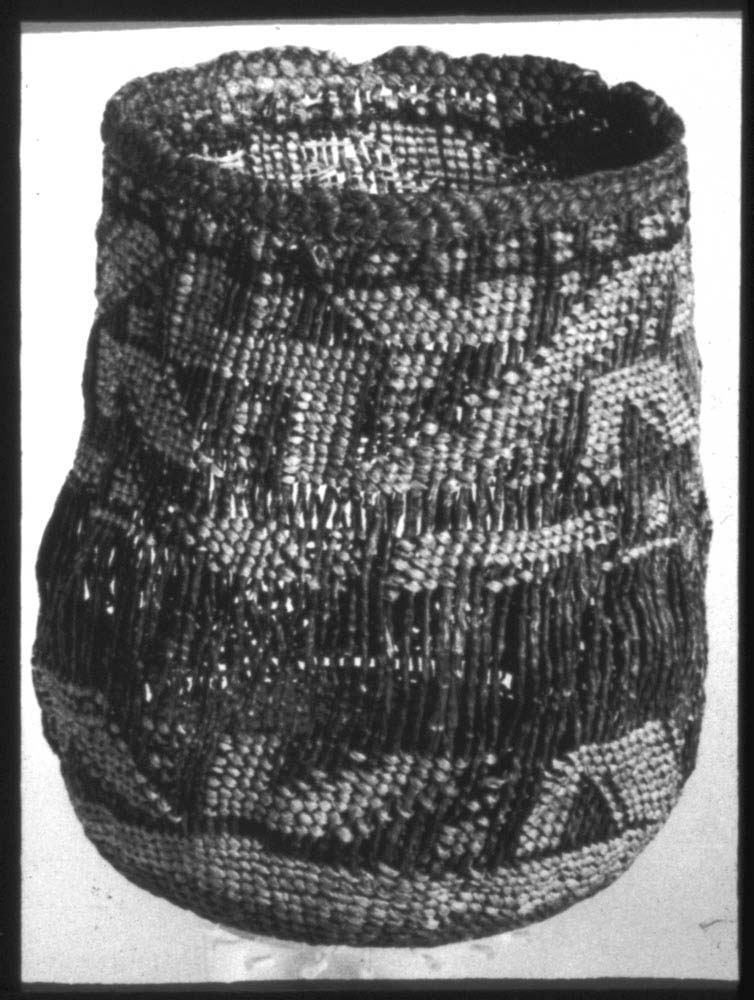 | Eleanor Field gives the Rhode Island Historical Society a basket purportedly made during King Philip's War. | | |
| 1846 | | Mexican War begins | | |
| 1853 | | Nathaniel Hawthorne publishes a campaign biography for his former Bowdoin classmate Franklin Pierce and is rewarded with a consulship in England. | | |
| 1856 | | Senator Charles Sumner caned after delivering his speech "Crime Against Kansas | | Longfellow Civil War |
| 1861 | | Civil War economy boosts Massachusetts manufacturing | | economy |
| 1861 | | Civil War begins | Lincoln was inaugurated in March; confederates fired on Fort Sumter in April. | Civil War |
| 1862 | | Hawthorne published "Chiefly About War Matters" in The Atlantic Monthly | The Liberator denounces the essay, noting that the anonymous author was reported to be Nathaniel Hawthorne. | Civil War |
| 1863 |  | Lincoln delivers Gettysburg Address | | Civil War |
| 1865 | | Robert E. Lee surrenders | | Civil War |
| 1887 | | Edward Bellamy, "Looking Backward" | | |
| Return to Top |
| 1887 | | Ellen Rounds repairs the "Damm Garrison" | In 1915, she donated it to Dover, New Hampshire's new "Woodman Institute." | Indian wars, door, museum |
| 1940 | | Civil leaders of Portuguese descent gather before a mural of the Pilgrim fathers. | | immigration |
| 1940 | | World war II fuels new industries in New England | | economy |
| 1942 | | Touro Synagogue designated a National Historic Site | . . . the Georgian influenced building is situated on an angle within the property allowing worshippers standing in prayer before the Holy Ark to face east toward Jerusalem. | |
| 1964 | | Civil Rights Act targets race and sex | | |