| Years | Image | Event | Description | Keywords |
| 1614 | | John Smith maps New England | | exploration, map, Indians |
| 1634 | | John Endecott defaces King's colors | Radical Puritan John Endecott of Salem believed that the image of the cross was idolatrous. A website for the Popham Colony has a representation of such a flag. | Endicott, Endecott, flag, Hawthorne, Puritans |
| 1648 | | Massachusetts executes Margaret Jones | This is the first known Massachusetts execution for witchcraft. John Winthrop described her "malignant touch." | witch |
| 1661 | | George Bishop, "New England Judged" | This was a Quaker response to John Norton's "New England Rent," an apology for anti-Quaker laws. | Quaker |
| 1675 | | King Philip's War | Read a modernized version of Philip's account of Indian grievances originally contained in a narrative by the Rhode Island Quaker, John Easton | Indians, Philip |
| 1683 | | Mary Rowlandson's narrative | The birth of the "captivity narrative" as a American genre | Philip, women |
| 1702 | | John Hale publishes "A Modest Inquiry" | | witch |
| 1770 | | Boston Massacre | John Adams defends the British soldiers. | revolution |
| 1770 | | Phillis Wheatley, "Elegy for George Whitefield" | The British evangelist died at Newburyport, Mass. on September 30, 1770. | slavery, religion |
| 1773 | | Massachusetts slaves begin petitioning for freedom | | slavery, abolition |
| 1773 | | Phillis Wheatley, "Poems on Various Subjects, Religious and Moral" |
Additional Information | slavery |
| 1774 | | John Malcolm tarred and feathered | An example of pre-revolutionary violence and a key episode in the biography of George Robert Twelves Hewes. | revolution |
| 1776 | | Samuel Hopkins, A Dialogue Concerning the Slavery of the Africans | An abolitionist argument ddressed to the continental congress. | abolition, Stowe |
| 1776 | | Abigail Adams urges John to "Remember the Ladies | | |
| 1818 | | John Trumbull's painting of the signing of the Declaration of Independence displayed at Faneuil Hall | | July 4, revolution |
| Return to Top |
| 1825 | | John Winthrop's "History of New England" reprinted | | Antinomianism, Puritanism, Hutchinson, Dyer |
| 1829 | | David Walker, An Appeal to the Colored Citizens of the World | Published in Boston by a southern black, Walker's "Appeal" helped to spark the abolitionist movement. | abolition, slavery |
| 1831 | | John Greenleaf Whitter, "Legends of New England" | Based on earlier stories written for newspapers, Whittier dealt with witch beliefs as a form of folklore. | |
| 1831 | | Maria Stewart begins public speeches condemning slavery. | Stewart, a free black, may have been the first women in the U.S. to give public speeches against slavery. | abolition |
| 1833 | | John Greenleaf Whittier joins the abolitionist cause. | Whittier was a close friend of William Lloyd Garrison even before joining the fight against slavery. | slavery, Whittier, abolition |
| 1833 | | Lydia Maria Child, "An Appeal for that Class of Americans Called Africans" | Child, who had previously published fiction and a cookbook, The American Frugal housewife, became a prominent antislavery writer and activist. | antislavery, abolition |
| 1834 | | Shoebinders of Lynn, Massachusetts form a society "for the protection and promotion of Female Industry" | Its leaders helped to form the Female Anti-Slavery Society in 1837. | women's work |
| 1834 | | Whittier publishes "The Slave Ship" | | slavery, abolition, maritime |
| 1836 | | John Warner Barber , "Historical Collections of Connecticut" | | |
| 1836 | 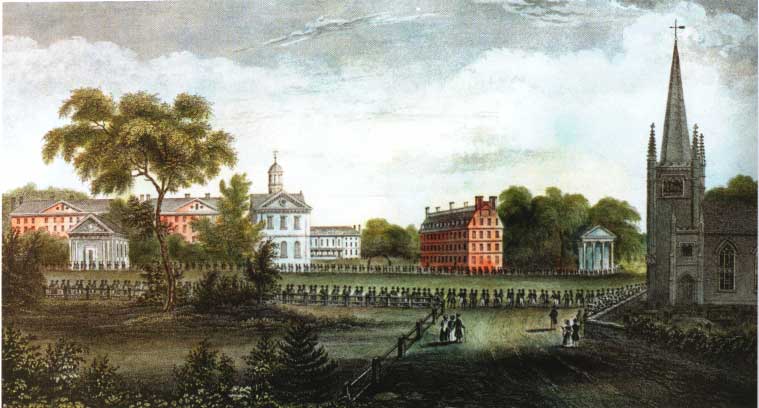 | Eliza Susan Quincy portrays procession at Harvard's 200th Anniversary | | Harvard centennial |
| 1837 | | John Sibley publishes story of Washington Elm | | revolution |
| 1839 | | Amistad trial in New Haven | | slavery abolition maritime |
| 1841 | | Amistad case argued before the Supreme Court | | John Quincy Adams slavery |
| 1842 | | Henry Wadsworth Longfellow, Poems on Slavery | | slavery, abolition |
| 1842 | | With the encouragement of his friend Charles Sumner, Longfellow publishes "Poems on Slavery | | |
| Return to Top |
| 1845 | | Frederick Douglas publishes his narrative. | He became a powerful voice in both the anti-slavery and women's rights movements. | slavery, abolition |
| 1847 | | John Greenleaf Whittier, "Supernaturalism of New England" | | witch, folklore |
| 1850 | | Fugitive Slave Act | | slavery |
| 1851 | | Harriet Beecher Stowe, "Uncle Tom's Cabin" | | slavery, abolition |
| 1854 | | Anthony Burns arrested under the Fugitive Slave Act | | slavery |
| 1857 | | John Greenleaf Whittier, "Skipper Ireson's Ride," | | maritime |
| 1857 | | Dred Scott Decision | | slavery, abolition |
| 1859 | | Harriet Beecher Stowe, The Minister's Wooing | Stowe's hero was a Newport, Rhode Island minister named Samuel Hopkins. | Stowe, abolition, slavery |
| 1863 | | Emancipation Proclamation frees slaves in rebellious states | In a response to an editorial in the New york Tribune, Lincoln had earlier insisted that he would free the slaves only to save the Union. Harriet Beecher Stowe responded in another publication that he should save the Union only to free the slaves. | slavery |
| 1865 | | 13th Amendment outlaws slavery | | |
| 1866 | | John Greenleaf Whittier, "Snowbound" | | poetry |
| 1873 | | Anne Whitney wins competition to create a sculpture of Samuel Adams for the United States Capitol. | Later the City of Boston installed a bronze version at Faneuil Hall even though in 1874 a Boston commission rejected her sculpture of Charles Sumner because she was a woman.
| statue |
| 1880 | | John Greenleaf Whittier writes poems about Quaker persecution. | | Quaker |
| 1881 | | Controversy over John G. Whittier's "The King's Missive" | In letters to the Boston Daily Advertiser, Whittier and historian George Ellis argued over the imprisonment of Quakers in 17th century Boston. | Quaker, Whittier, poetry |
| 1910 | | John F. Fitzgerald mayor of Boston | | |
| Return to Top |
| 1926 | | John D. Rockefeller funds Colonial Williamburg in Virginia | | museum |
| 1953 | | Arthur Miller, "The Crucible" | See Web links for Arthur Miller, "Why I wrote 'The Crucible': An artist's answer to politics." and for a Massachusetts curriculum project that connects Miller's play to Salem.
Additional Information | witch, Salem |
| 1963 | | John F. Kennedy assassinated | | |
| 2003 | | Boston Women's Memorial features Phillis Wheatley, Abigail Adams, and Lucy Stone | | statue |